

Which Light Will Make Your Reef Thrive?
If you’ve ever stood in front of your tank wondering if your corals would look better under that deep ocean blue or a bright daylight white, you’re not alone. The right choice isn’t just about looks. Light impacts coral health, fish behavior, algae growth, and the overall functioning of your entire reef system.
If you’re in Salt Lake City or anywhere nearby and have invested in your saltwater aquarium, you want to get this right. This guide will clear up the confusion and help you choose a light setup that works for your livestock, your style, and your long-term reef success.
What We’ll Cover
- Blue vs White: Quick Answer
- How Light Spectrum Impacts Coral and Fish
- Pros and Cons of Blue Light for Saltwater Aquariums
- Pros and Cons of White Light for Saltwater Aquariums
- How to Find the Right Balance for Your Tank
- Troubleshooting Common Lighting Mistakes
- Our Experience Helping Local Reefers Get it Right
- Soft Next Step if You’re Ready to Upgrade
- FAQs
Blue vs White: Quick Answer
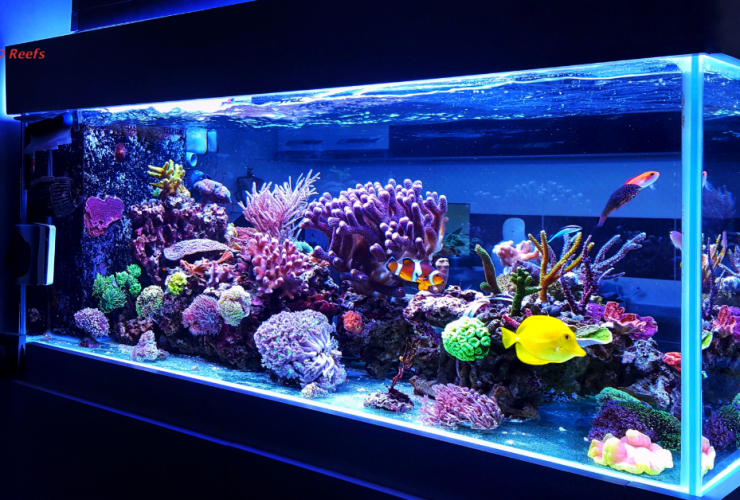
If your goal is maximum coral fluorescence and reduced nuisance algae, lean heavier on the blue spectrum. For a natural daylight look and balanced growth in mixed reefs, incorporate both white and blue lighting into your schedule.
Most successful reef tanks run a blend of both, with higher blue intensity during most of the day and a white peak for part of the photoperiod. This mimics the ocean, keeping both aesthetics and biology on your side.
How Light Spectrum Impacts Coral and Fish
Light isn’t just about what you see. It’s about how your tank’s inhabitants use it.- Blue light (actinic) penetrates water more effectively, energizing the symbiotic zooxanthellae algae in corals that drive photosynthesis.
- White light encompasses a broader spectrum, which enhances overall tank visibility, color balance, and fish activity.
Pros and Cons of Blue Light for Saltwater Aquariums
Pros:
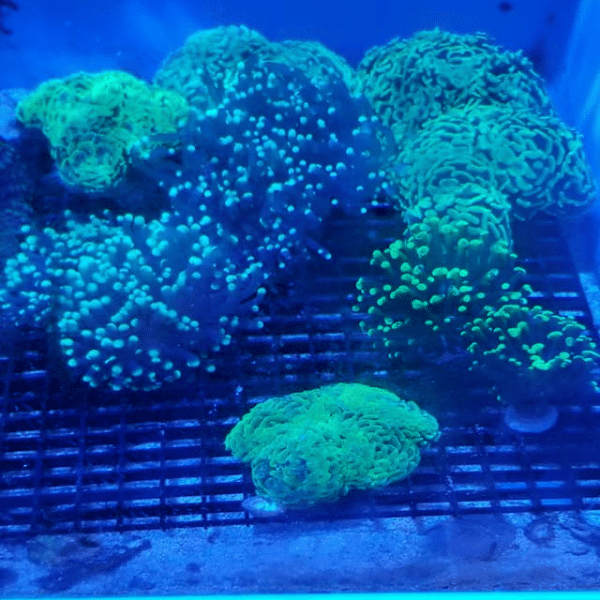
- Enhances coral fluorescence and “pop”
- Supports healthy coral photosynthesis
- Less likely to fuel nuisance algae than heavy white spectrum
- Creates that deep reef look people associate with ocean scenes
Cons:
- Too much blue without white can make fish colors appear unnatural
- Can make the tank look dim to human eyes
- Limited visibility for spotting early algae or detritus buildup
Pros and Cons of White Light for Saltwater Aquariums
Pros:
- Mimics natural daylight for a balanced aesthetic
- Better visibility for spotting issues in the tank
- Complements fish coloration for a natural look
- Supports coral growth when combined with adequate blue
Cons:
- Excessive white can drive nuisance algae growth
- Can wash out coral fluorescence
- Higher intensity white without balance can stress light-sensitive species
Troubleshooting Common Lighting Mistakes
- Algae blooms: Reduce white light intensity or photoperiod.
- Corals losing color: Increase blue spectrum or review nutrient levels.
- Fish hiding: Too much intensity; ramp up lights gradually each day.
- Dull tank appearance: Add a midday white light boost for clarity.
Our Experience Helping Local Reefers Get it Right
At OCD Reefs, we’ve seen the difference the right spectrum makes. We’ve helped hundreds of hobbyists in Salt Lake City upgrade their lighting, fine-tune schedules, and get coral color back after months of struggling.
From the Red Sea’s spectrum-adjustable LEDs to custom PAR mapping, our team knows how to set up lighting that not only looks good but also delivers real, lasting results for coral health and growth.
Ready to Fine-Tune Your Lighting?
If you’re ready to see your corals glow like never before, stop by our Salt Lake City store to compare setups in person. Our reef specialists can test your current lighting, recommend adjustments, or set you up with a new fixture that meets your tank’s specific needs.
FAQs
Blue light supports photosynthesis in coral symbionts more efficiently, but a mix of blue and white is ideal for overall growth and appearance.
You can, but your tank may appear dim to the eye, and fish colors may not look natural. Adding some white keeps the visual balance.
The white spectrum can encourage faster algae growth if nutrients are high. Balancing with blue and controlling nutrients helps prevent this.
Blue light enhances coral fluorescence, which cameras often exaggerate compared to how the human eye perceives it.
Low-intensity blue light can be used briefly in the evening for viewing, but constant night lighting can disrupt natural fish behavior.
Give Your Reef the Light It Deserves
Choosing between blue and white light isn’t about picking one and ignoring the other. It’s about finding the mix that works for your livestock and your taste. With the right balance, your tank will thrive, your corals will color up, and your viewing experience will be second to none.
If you’re local, come in and see the difference firsthand. Bring photos or your light settings, and we’ll help you get your spectrum dialed in.
Related reads:
- Is Tap Water OK for a Saltwater Tank? - October 9, 2025
- Should I Get Blue or White Light for My Saltwater Aquarium? - September 5, 2025
- Do Saltwater Aquariums Need a Special Filter? Here’s the Truth (and What You Actually Need) - August 4, 2025